Wilmington, N.C., holds a unique place in American television and film production. Its blend of coastal scenery, historic architecture, and well-developed studio infrastructure has made it a consistent choice for filmmakers over the past four decades. Often referred to as “Hollywood East,” Wilmington has supported numerous major film and television productions, ranging from iconic dramas to blockbuster films.
This guide offers a tour of the places, studios, and landmarks that define Wilmington, NC, film history, giving insight into why this coastal city remains a favorite destination for directors, crews, and audiences alike.
The Legacy of EUE/Screen Gems Studios
EUE/Screen Gems Studios stands as the foundation of Wilmington’s entertainment industry. Established in the early 1980s, it became one of the largest full-service production studios outside California and New York. The facility includes over ten sound stages and post-production spaces, capable of hosting both television series and feature films.
The studio’s reputation grew during the 1980s and 1990s with productions like Blue Velvet, The Crow, and Dawson’s Creek. Its continued use in modern productions underscores its adaptability. Today, the studio remains active with both streaming and theatrical projects, reinforcing Wilmington’s position as a lasting hub for production in the Southeast.
Historic Downtown as a Cinematic Backdrop
Wilmington’s downtown district frequently serves as a stand-in for cities across the United States. Its combination of preserved 19th-century architecture and a manageable urban grid allows for quick location transformations. Productions like One Tree Hill and Iron Man 3 have used the downtown streetscape for key sequences, capitalizing on its mix of storefronts, brick facades, and waterfront access.
The city’s Riverwalk adds another dimension to its cinematic appeal. Filmmakers often use it to evoke coastal charm or small-town authenticity, with camera crews taking advantage of its scenic views along the Cape Fear River. Visitors today can walk through filming locations recognizable from numerous series and movies, making downtown Wilmington both a living set and a historic district with ongoing cultural significance.
Airlie Gardens and Its Scenic Appeal
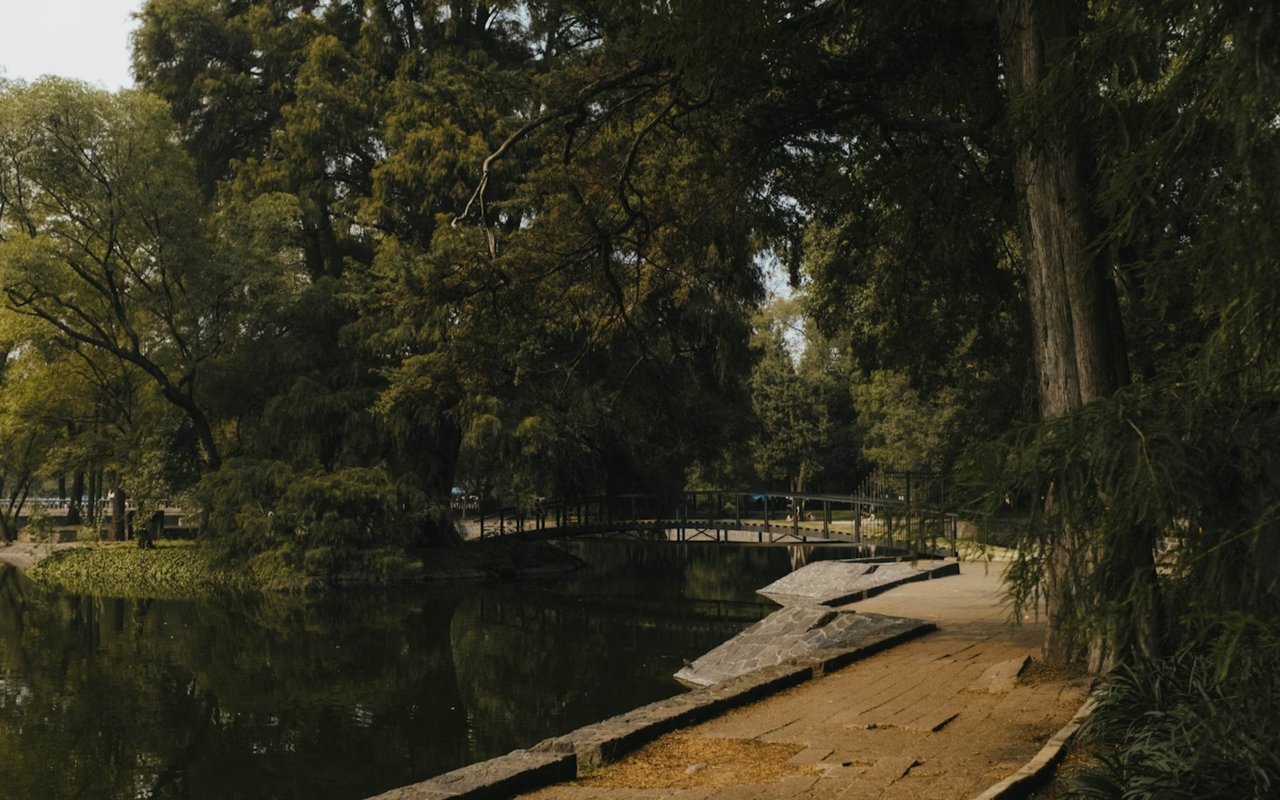
Airlie Gardens, located just east of downtown, represents one of the most photographed and filmed natural sites in Wilmington. Its centuries-old oak trees, winding pathways, and reflecting ponds create an atmosphere that translates beautifully on screen. Productions such as Sleepy Hollow and Matlock used Airlie Gardens to depict lush, dramatic settings, leveraging its visual depth and seasonal color.
For filmmakers, Airlie’s appeal lies in its ability to appear timeless. Its 67 acres include formal gardens, sculptures, and views of Bradley Creek, all easily accessible for location shooting. The gardens have also become a staple of local tourism connected to Wilmington’s film legacy.
The Cape Fear River and Waterfront Locations
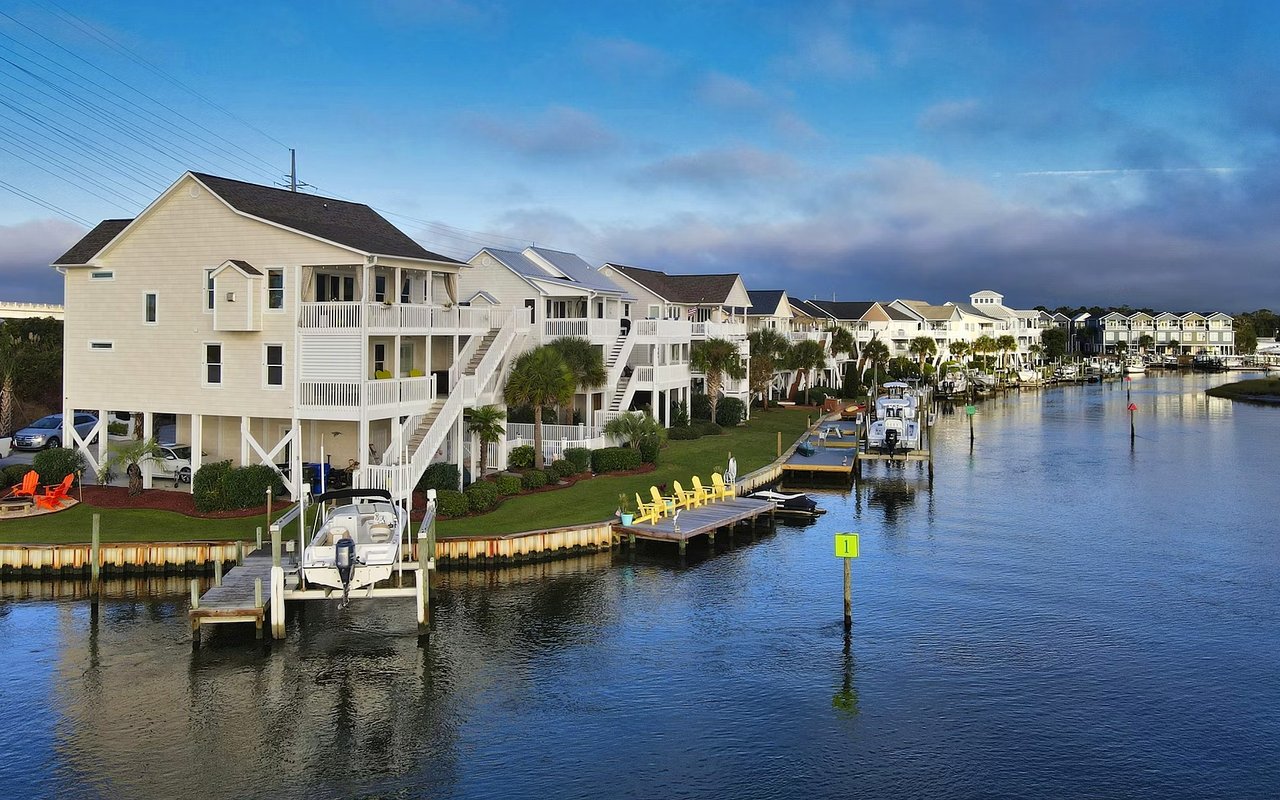
The Cape Fear River plays a recurring role in Wilmington, NC, film history, functioning as both a practical filming location and a symbolic anchor for many productions. The river’s long, unobstructed stretches of water and historic bridges create striking visuals that can resemble settings across the United States.
Several major productions have filmed sequences along the riverbanks or aboard vessels docked near the city. The USS North Carolina Battleship, permanently moored across the river, has appeared in documentaries and dramatic films. Meanwhile, smaller riverfront businesses and marinas often serve as local set pieces, maintaining Wilmington’s reputation for offering authentic, versatile filming environments.
Wrightsville Beach and Coastal Filming
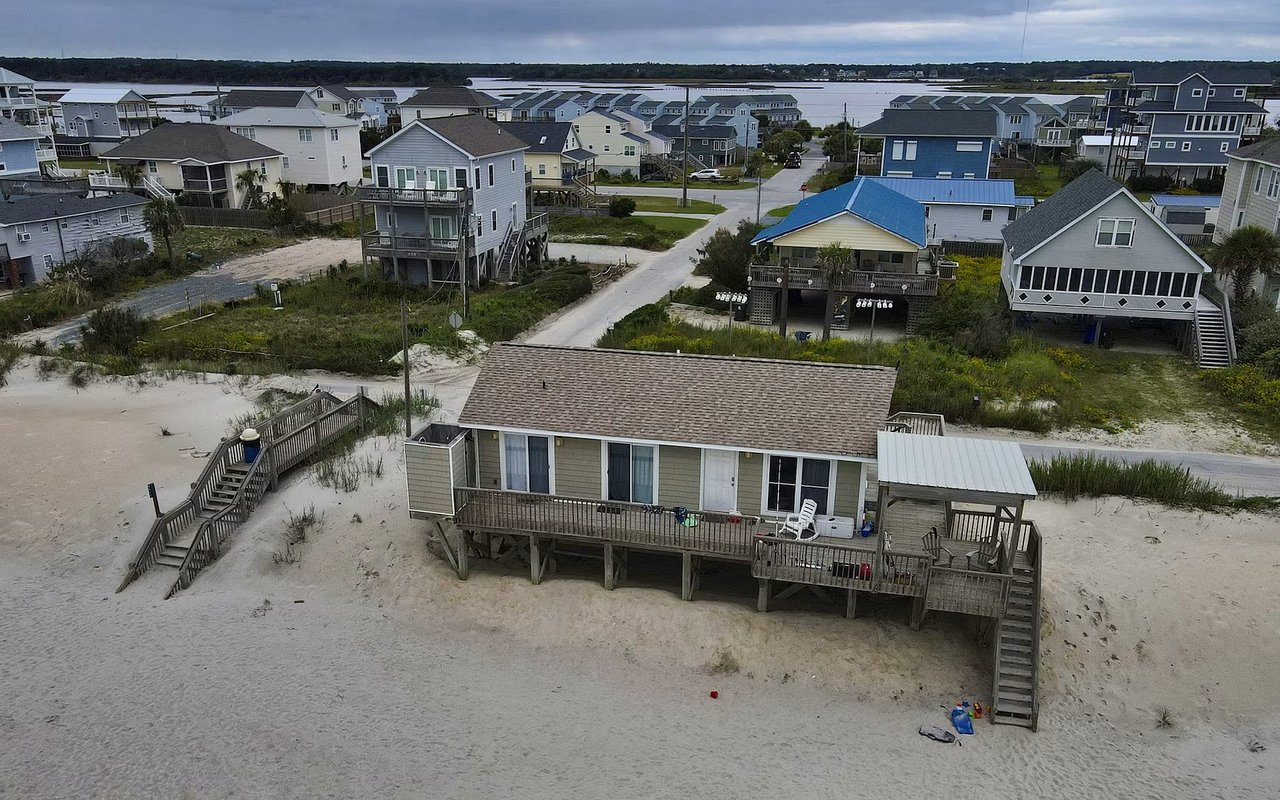
Just a short drive from downtown, Wrightsville Beach adds an essential coastal dimension to Wilmington’s production appeal. Its wide beaches and barrier island setting allow crews to capture both Atlantic Ocean vistas and quiet residential scenes. The beach’s accessibility and modern infrastructure make it a preferred site for film and television crews needing authentic seaside visuals without major logistical hurdles.
Wrightsville Beach has appeared in films such as Message in a Bottle and A Walk to Remember. Its natural light, calm surf, and local architecture make it ideal for romantic or contemplative scenes. The area also benefits from its proximity to other filming locations, allowing for diverse settings within a small geographic range.
Greenfield Lake and the Amphitheater
Greenfield Lake, situated just south of downtown Wilmington, features a blend of parkland, water features, and performance venues that frequently draw both filmmakers and live event producers. The lake itself has served as a setting for film scenes that require a natural, tree-lined backdrop, while the amphitheater has become a cultural landmark hosting concerts and community events.
Television shows such as One Tree Hill used Greenfield Lake for outdoor scenes that required both intimacy and beauty. Its walking trails and reflective waters make it adaptable for cinematic storytelling. The surrounding neighborhood also includes period-style homes and quiet streets, which continue to support local production efforts.
Screen Legends and Local Influence
Over the decades, Wilmington has hosted numerous notable actors, directors, and production teams that have contributed to its growth as a film destination. David Lynch, who directed Blue Velvet, was among the first to recognize the city’s potential for complex storytelling through setting. Later, television producers of Dawson’s Creek and One Tree Hill helped turn Wilmington into a recognizable name for audiences worldwide.
This long-term presence of industry professionals created a local ecosystem of talent. Cinematographers, set designers, and production crews often choose to live in Wilmington full-time, ensuring that the city maintains a stable base of expertise. This self-sustaining creative community continues to attract filmmakers who value experience paired with accessibility.
The Influence of Television Productions
Television has arguably had the most significant influence on Wilmington’s cultural identity. Matlock established the city as a dependable base for long-running productions in the late 1980s, while Dawson’s Creek made it a cultural touchstone for an entire generation of viewers. One Tree Hill, which followed in the 2000s, reinforced the city’s reputation as a place where television could thrive outside traditional hubs.
Even as streaming platforms reshape production landscapes, Wilmington remains active in episodic filming. The combination of affordable production logistics, skilled crews, and diverse scenery remains a compelling draw for modern producers. This sustained relevance demonstrates how Wilmington’s adaptability has kept it competitive in a changing entertainment market.
Work with Better Homes and Gardens Real Estate Treasure
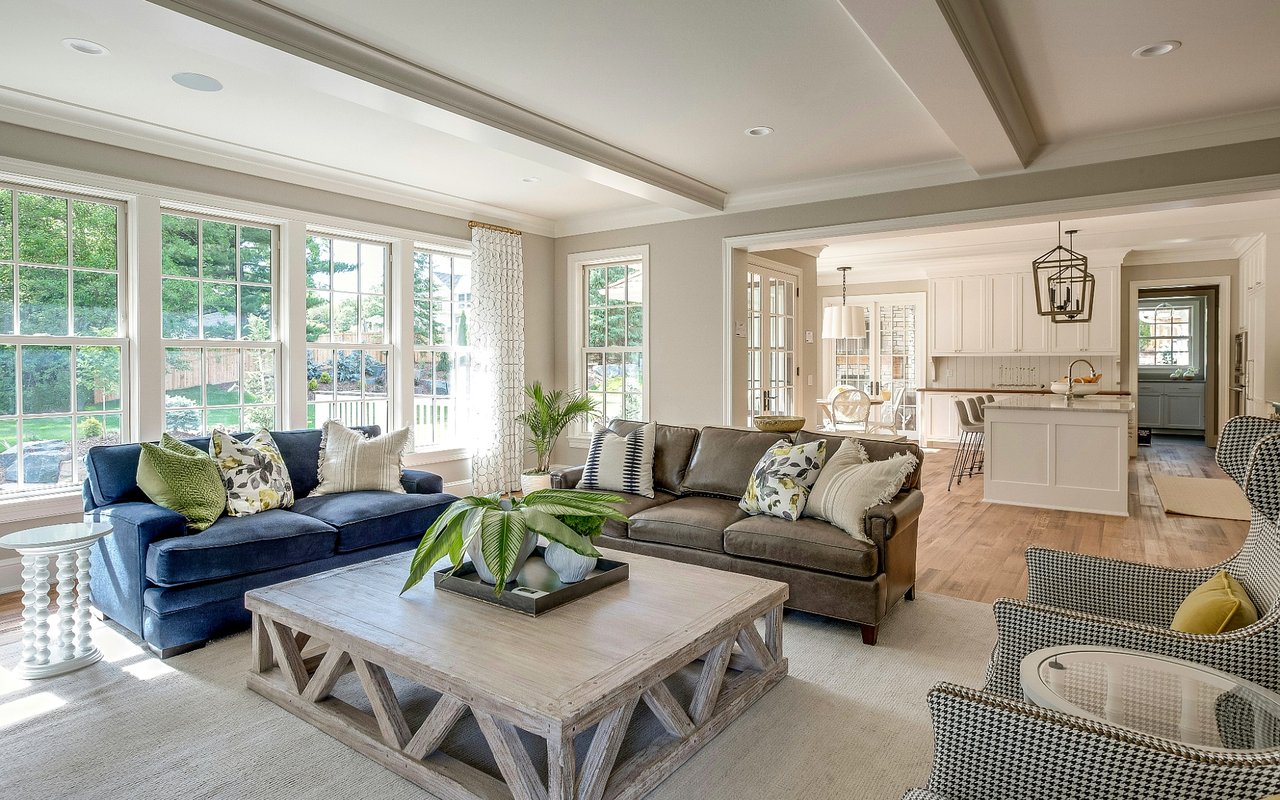
Wilmington’s film heritage demonstrates a city built on creativity, craftsmanship, and enduring appeal. The same qualities that attract filmmakers also make Wilmington an exceptional place to live, blending history with modern vitality.
To explore properties that capture the essence of this remarkable city, connect with
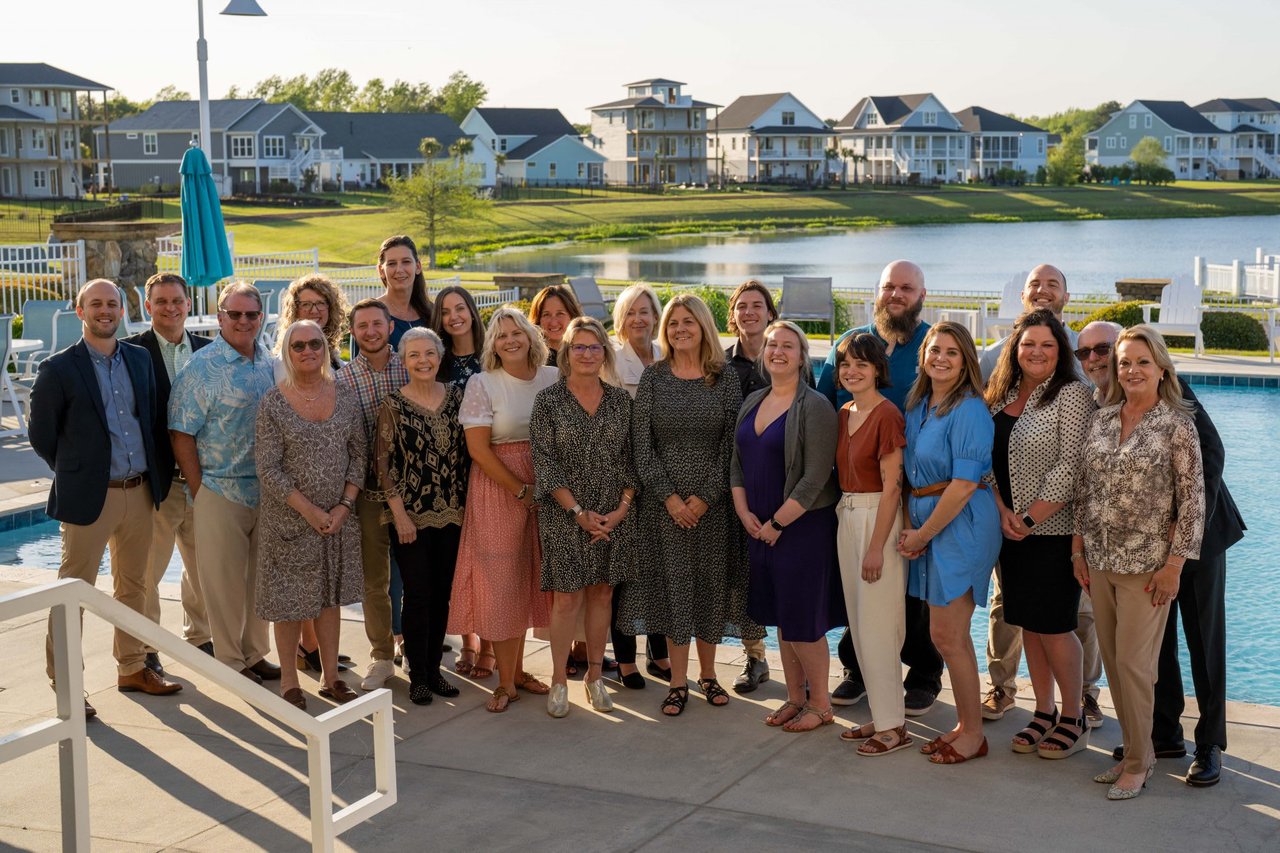
Better Homes and Gardens Real Estate Treasure. Their team combines deep local insight with personalized service to help you find a home that fits both your lifestyle and your appreciation for Wilmington’s unique story.