By Better Homes and Gardens Real Estate Treasure
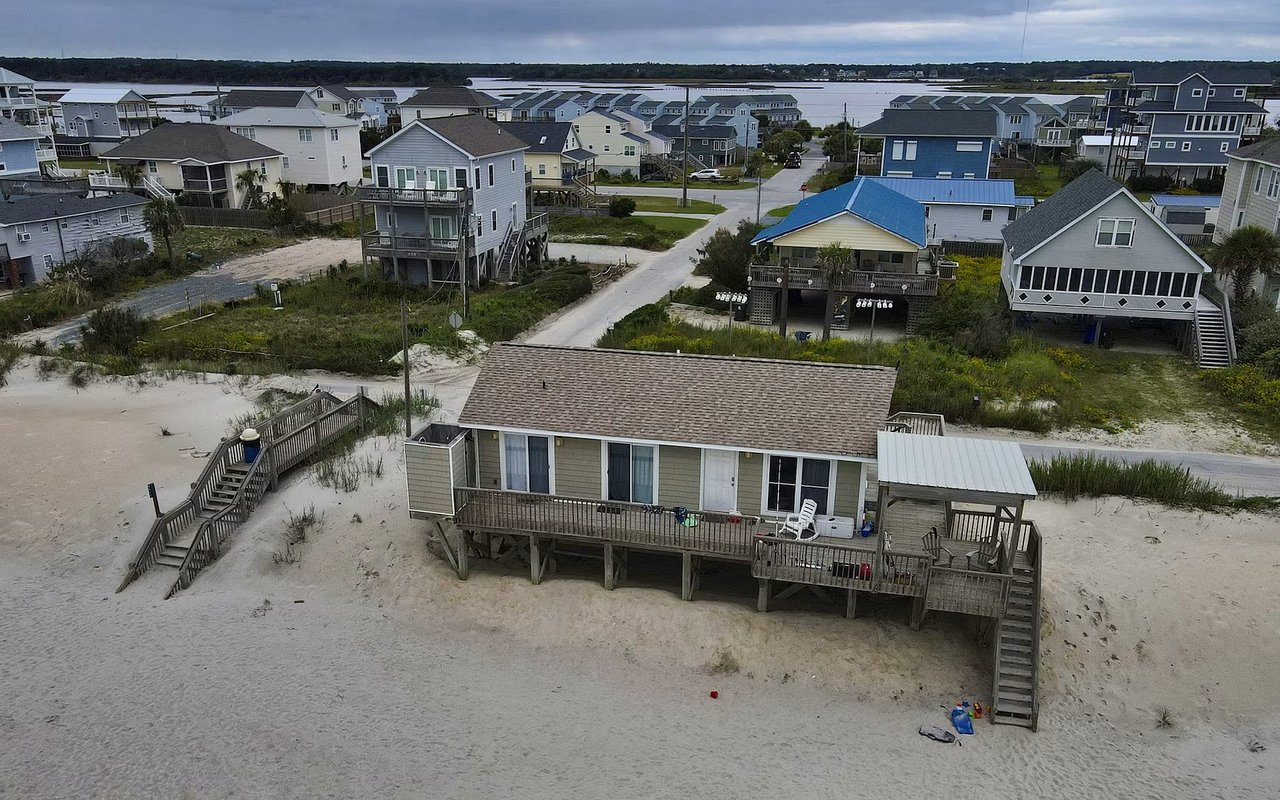
Sneads Ferry sits at the mouth of the New River on North Carolina's southern coast — close enough to Topsail Island and the beaches of Onslow County to draw steady tourist traffic yet grounded enough in its fishing village roots to attract renters and buyers who want to stay year-round. That combination makes it one of the more interesting rental markets along the Carolina coast because the question isn't whether to invest here; it's which kind of rental strategy works best.
Vacation rentals and long-term rentals are not interchangeable paths to the same destination. They require different properties, different management approaches, and different tolerances for risk. In a real estate market like Sneads Ferry, where proximity to the Marine Corps Base Camp Lejeune creates reliable demand from military households at the same time that nearby waterfront access drives summer tourism, the case for each strategy is genuinely compelling. Getting it right means understanding both approaches.
Key Takeaways
- Sneads Ferry's dual demand drivers — tourism and a significant military population — make it viable for either vacation or long-term rental strategies.
- Vacation rentals in coastal North Carolina can generate higher gross revenue during peak season, but they also come with higher operating costs and more active management requirements.
- Long-term rentals offer more predictable monthly income, lower turnover costs, and a more consistent tenant base.
- Investors should factor in HOA restrictions, local ordinance compliance, and property management costs before committing to either strategy.
What Makes Sneads Ferry a Rental Market Worth Watching?
Sneads Ferry is a small community, but it punches above its weight as a rental destination for a few specific reasons. The first is geography. The town sits along the Intracoastal Waterway, with quick access to Topsail Island's beaches and the Atlantic Ocean. That waterfront proximity is a core driver of short-term rental demand from spring through early fall, when renters look for coastal getaways within a reasonable driving distance of Raleigh, Charlotte, and the broader Southeast.
The second driver is Camp Lejeune, one of the largest Marine Corps bases in the country. It's located just minutes from Sneads Ferry, and it generates a continuous pipeline of renters: active-duty service members, their loved ones, and civilian contractors who rotate through the area on orders and need reliable housing. This military-connected demand doesn't follow a seasonal calendar, which is part of what makes the Sneads Ferry rental market more resilient than many comparable coastal-adjacent communities.
The third factor is affordability relative to nearby coastal markets. Compared to Wilmington or the Crystal Coast, Sneads Ferry’s entry prices remain accessible, which means that investors can often achieve better yield ratios without stretching into the premium tier of coastal inventory.
Why Sneads Ferry Stands Out for Rental Investment
- Strong year-round demand from military households near Camp Lejeune reduces vacancy exposure for long-term landlords.
- Proximity to Topsail Island and coastal waterways creates a distinct peak-season window for short-term rental operators.
- Lower median home prices than comparable North Carolina coastal markets translate to more favorable price-to-rent ratios.
- The town's close-knit character appeals to renters who want coastal access without resort-town pricing.
The Case for Long-Term Rentals in Sneads Ferry
Overall, Sneads Ferry is more known for long-term rentals than vacation rentals, which latter are concentrated more on the nearby island. The military rental market around Camp Lejeune is one of the most stable tenant pools in the country. Service members receive Basic Allowance for Housing (BAH) to help offset rental costs, which means they're motivated to find housing at or below their allowance and are reliable with rent. Households with active-duty personnel often prefer longer-term stability over moving repeatedly, and many renters connected to Camp Lejeune are looking for 12- to 24-month leases.
For landlords, this translates to lower turnover, more consistent income, and less time spent marketing the property. Long-term rentals don't require furnished units, dramatically reducing the upfront investment. Maintenance and management demands are lower because you're not coordinating weekly turnovers.
The tradeoff with long-term rentals is that, typically, the monthly rent for a long-term lease is going to be lower than the gross weekly rate of a vacation rental during peak season.
Factors That Strengthen Long-Term Rental Performance
- Properties within 20 to 30 minutes of Camp Lejeune tend to attract the strongest military renter demand.
- Proximity to grocery stores, highways, and basic services matters more to long-term tenants.
- Stable rental income allows for more predictable cash flow modeling and simpler financing conversations with lenders.
- Property management for long-term rentals typically costs less as a percentage of rent than vacation rental management.
The Case for Vacation Rentals in Sneads Ferry
Short-term rentals in coastal North Carolina can generate peak-season revenue that long-term leases simply cannot match on a per-night basis. In Sneads Ferry, properties along the New River or in proximity to Topsail Beach see the strongest short-term performance, particularly from late May through Labor Day. During that window, weekly rental rates for well-positioned properties can represent a meaningful portion of the property's annual income.
Considering short-term rental management?
See what Treasure Vacation Rentals offers owners
Learn about local vacation-rental management for homes in the Topsail Island and Sneads Ferry area.
Explore Vacation-Rental Management →
The appeal of a vacation rental strategy goes beyond peak-season rates. As an owner, you retain the flexibility to use the property yourself, you can adjust pricing dynamically based on demand, and you can reinvest in upgrades that further increase the property's market appeal. Platforms like Vrbo and Airbnb have made it easier to market directly to guests, and Sneads Ferry's reputation as a prime fishing and boating destination gives it a defined identity that resonates in coastal tourism searches.
The tradeoffs are real, though, as short-term rentals require more active involvement. Turnover between guests means cleaning costs, restocking supplies, coordinating check-ins, and managing guest communications. If you're not local or not working with a property management company, those logistics add up quickly. Operating expenses for a vacation rental often run significantly higher than a comparable long-term rental, and income is concentrated in a narrower seasonal window.
What Vacation Rental Operators Should Account For
- Platform and booking fees.
- Professional cleaning costs per turnover, which increase with property size and guest frequency.
- Furnishing and decor investment upfront, since guests expect a fully equipped and well-maintained property.
- Potential off-season vacancy.
- HOA rules and local zoning ordinances, some of which may restrict or regulate short-term rentals in certain subdivisions.
Comparing the Numbers: What Investors Should Model
Neither strategy wins on paper in every scenario. The right choice depends heavily on the specific property, its location within Sneads Ferry, and your own capacity to manage what the strategy requires. Vacation rentals in desirable locations can outperform on gross revenue, but after accounting for management fees, platform costs, seasonal vacancy, and furnishing depreciation, the net picture might look different.
Long-term rentals may generate lower monthly revenue, but they typically offer more favorable expense ratios, more consistent occupancy, and less operational complexity. For investors who want passive income without active management involvement, the long-term model is generally more sustainable.
Key Variables To Model Before You Decide
- Gross potential revenue based on comparable listings and local lease comps.
- Operating expense ratios, including management fees, maintenance reserves, insurance, and vacancy allowances.
- HOA and zoning restrictions on short-term rentals, which vary by community.
- Financing terms, since some lenders apply different underwriting criteria to short-term rental properties.
- Your own time availability and risk tolerance, which affect which model is realistically sustainable for you.
FAQs
Is Sneads Ferry a Good Place To Buy a Rental Property?
Sneads Ferry offers a strong combination of tourism appeal and military-driven housing demand, making it viable for both vacation and long-term rental strategies. Like any market, the right investment depends on the specific property and your investment goals.
What Is the Rental Market Like Near Camp Lejeune?
The market near Camp Lejeune is active year-round. Military households receive housing allowances that make them motivated and generally reliable renters. Three-bedroom homes tend to attract the strongest demand, and properties within a reasonable commute of the base's main gates see the lowest vacancy rates.
Making the Right Move in Sneads Ferry
Sneads Ferry is a market where both rental strategies can work successfully, but only if the investment is structured around how each model actually performs here. That means doing the research, running the real numbers, and understanding what the market is actually rewarding right now.
Ready to make the most of your investment property? If you are considering your property for long-term rentals, Better Homes and Gardens Real Estate Treasure Property Management is here to help.
Click here to connect with our property management team.