By Better Homes and Gardens Real Estate Treasure
Owning a home on
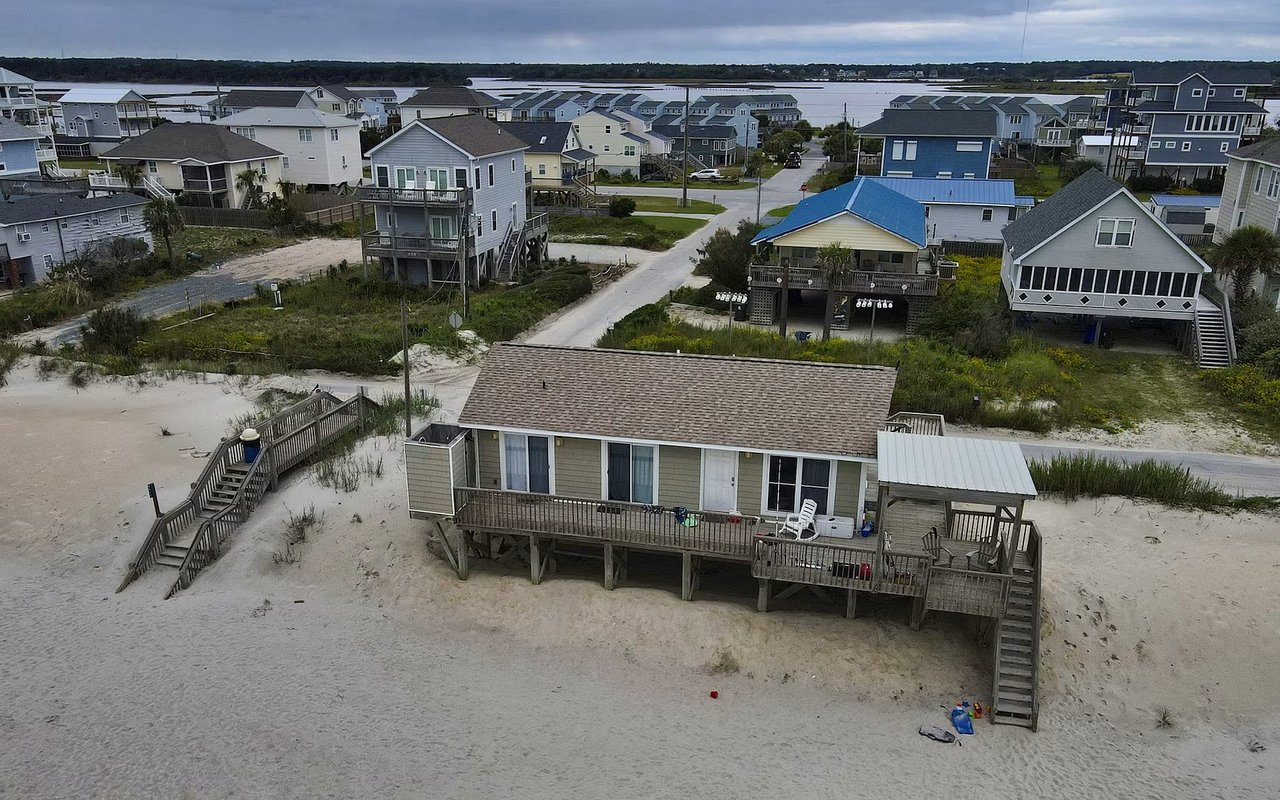
Topsail Island comes with a unique set of considerations that inland properties simply do not face. Between the salt air, the humidity, and the occasional tropical storm system that rolls through, the systems and appliances inside your home work harder here than almost anywhere else. That is exactly why so many buyers and current homeowners in
North Topsail Beach, Surf City, and
Topsail Beach start asking the same question: Does a home warranty actually make sense for a coastal property, or is it an added expense without much payoff?
The answer is not the same for every homeowner, and that is precisely what makes this decision worth understanding in detail. A home warranty can be a genuinely smart safety net for certain coastal properties, particularly older homes or those that see frequent seasonal turnover as vacation rentals. For other homeowners, the math may not work out the same way. Knowing the difference comes down to understanding how these plans work, what they typically cover, and how coastal conditions specifically affect that coverage.
This guide breaks down everything you need to weigh before deciding on a home warranty for your Topsail Island property so that you can make a confident, informed decision rather than a rushed one.
Key Takeaways
- Home warranties cover the repair or replacement of major systems and appliances, which is different from homeowners’ insurance.
- Coastal conditions, including salt air exposure and humidity, can accelerate wear on HVAC systems and appliances.
- Reading the fine print on exclusions matters significantly for waterfront and near-waterfront homes.
- Weighing the annual premium against your home's age, systems, and usage pattern will guide your decision.
Understanding What a Home Warranty Actually Covers
A home warranty is a service contract, not an insurance policy, and this distinction trips up a lot of first-time buyers. While your homeowners’ insurance protects you against sudden, unexpected events, such as storm damage, fire, or theft, a home warranty instead covers the repair or replacement of specific home systems and appliances when they break down due to normal wear and use. Think of it as a maintenance safety net rather than a disaster protection plan.
Most standard plans cover core mechanical systems, including your HVAC, electrical, and plumbing systems, along with major appliances, such as your water heater, refrigerator, dishwasher, and washer and dryer. When something covered breaks down, you typically pay a service call fee, and the warranty company sends a contractor from their network to diagnose and repair the issue. If the item cannot be repaired, many plans will cover a replacement, though often with a cap on the payout amount.
For a
coastal property on Topsail Island, this coverage takes on added significance. The systems in your home are working against a more aggressive environment than a home fifty miles inland, so understanding exactly what falls under a standard plan versus what requires an upgraded tier is an important first step before you commit to a provider.
What Standard Plans Typically Include
- Heating and cooling systems, including central air conditioning units and furnaces.
- Plumbing systems, including water heaters and interior pipes.
- Electrical systems and wiring.
- Kitchen appliances, such as the refrigerator, oven, and dishwasher.
- Laundry appliances, including the washer and dryer.
How Coastal Conditions Change the Equation
Living on Topsail Island means your home is exposed to salt-laden air, higher year-round humidity, and more direct sun exposure than a comparable property further inland. These environmental factors do not just affect your home's exterior; they also place additional strain on the mechanical systems working to keep your home comfortable. Air conditioning units, in particular, tend to work harder and longer in coastal climates, which can shorten their lifespan compared to units in more moderate settings.
This is one of the biggest reasons coastal homeowners ask about home warranties. An HVAC system that might last fifteen years inland could see a shorter service life on the island due to the added humidity and salt exposure. Appliances near exterior doors or windows can also experience more corrosion over time, which is worth factoring into your decision.
At the same time, it is worth noting that a well-maintained coastal home, especially one that has been properly cared for with regular HVAC servicing and appliance upkeep, can perform just as reliably as any other property.
Coastal-Specific Factors to Consider
- Salt air exposure can accelerate corrosion on outdoor units and metal components.
- Higher humidity levels place additional strain on HVAC systems.
- Increased sun exposure can shorten the lifespan of roofing materials and exterior fixtures.
Vacation Rentals and Second Homes: A Different Calculation
Topsail Island's rental market plays a significant role in whether a home warranty makes sense for your specific property. If your home in Surf City or North Topsail Beach functions as a vacation rental, your appliances and systems see considerably more use than they would in a traditional owner-occupied home. Guests come and go throughout the season, HVAC systems run more consistently to keep the home comfortable for arrivals, and appliances are often used at a higher frequency.
This higher usage pattern often tips the scales in favor of a home warranty for rental property owners. A single unexpected breakdown during peak season, such as an air conditioning failure in July, can mean lost rental income on top of repair costs. Having a home warranty in place can help you get a covered system back up and running more quickly, which matters when you have guests checking in.
For owners who use their Topsail Island home primarily as a personal second home with lighter, seasonal use, the calculation shifts slightly. Lower usage generally means less wear and tear on systems and appliances, so the value of a warranty may come down more to peace of mind than frequency of claims.
Questions to Ask Before Choosing a Plan for a Rental Property
- How quickly the provider can guarantee a service response during peak rental season.
- Whether the plan covers multiple units if you own more than one rental property.
- What the payout caps look like for major systems, such as HVAC replacement.
- Whether pool and spa equipment is included, given how common these amenities are on the island.
- How the claims process works if damage occurs between guest stays.
Weighing the Cost Against the Coverage
Home warranty plans typically range based on the level of coverage you select, with basic plans covering core systems and higher tiers adding coverage for items like pools, spas, and additional appliances. On top of the annual premium, you will pay a service call fee each time a technician is dispatched, which is a cost worth factoring into your overall calculation.
The value of a home warranty ultimately comes down to your home's age, the condition of its major systems, and how often you anticipate needing service. An older home on Topsail Island with an aging HVAC system and original appliances may see real value from a warranty, since the likelihood of a covered repair is higher. A newer construction home or one that has been recently renovated with updated systems may see less immediate value, though many owners still appreciate the predictability a warranty provides.
It is also worth reading the fine print closely, particularly around exclusions related to pre-existing conditions, improper maintenance, or damage caused by weather events, since these exclusions can vary significantly between providers.
Factors That Affect Whether a Warranty Pays Off
- The age of your home's major systems, including the HVAC unit and water heater.
- Whether appliances are original to the home or have been recently replaced.
- How frequently the property is used, whether as a primary residence, second home, or rental.
- The specific exclusions listed in a provider's contract, which can vary widely.
- The annual premium and service fees compared to the average cost of a single major repair.
FAQs
Is A Home Warranty Worth It For A Newly Built Home?
It depends on your comfort level with risk. Newer homes typically have systems still under manufacturer warranty, so the immediate value of a home warranty may be lower. That said, some owners still prefer the added predictability once manufacturer coverage expires.
Can I Choose My Own Contractor With A Home Warranty?
Most home warranty companies work from a network of pre-approved contractors and will dispatch someone from that network rather than allowing you to select your own. It is worth confirming this detail with any provider you are considering so that you know what to expect.
Do Home Warranties Cover Pool Equipment?
Coverage for pool and spa equipment is usually offered as an add-on rather than included in a base plan. Given how common pools are on Topsail Island properties, this is worth asking about directly if that applies to your home.
How Long Does A Typical Home Warranty Contract Last?
Most home warranty contracts run on a one-year term, with the option to renew annually. This gives you the flexibility to reassess your coverage needs each year based on how your home's systems are holding up.
Making the Right Call for Your Topsail Island Property
Deciding whether a home warranty makes sense for your coastal property comes down to a handful of factors: the age of your home's systems, how the property is used, and how much predictability you value in your annual budgeting. There is no single right answer for every homeowner on Topsail Island, but understanding these variables puts you in a much stronger position to make the decision that fits your situation.
Whether you are
buying your first home in Surf City, evaluating a long-term rental property in North Topsail Beach, or reassessing coverage on a home you have owned in Topsail Beach for years, this is exactly the kind of detail our team helps clients think through every day. Coastal ownership comes with its own rhythm, and having the right guidance in place makes all the difference.
Talk with one of our Topsail Island real estate experts at
Better Homes and Gardens Real Estate Treasure, about buying, selling, or investing in coastal property. We will help you find the space that fits your peace of mind.