By Better Homes and Gardens Real Estate Treasure
The waters off Topsail Island carry the nickname "Graveyard of the Atlantic" for good reason. Powerful storms, treacherous offshore shoals, and German U-boat campaigns during World War II sent dozens of vessels to the ocean floor in Onslow Bay, the broad stretch of water that fronts this barrier island coast.
The shipwrecks near
Surf City NC tell a layered story of commerce, conflict, and the sea's capacity to preserve what time might otherwise erase.
Key Takeaways
- Onslow Bay holds a significant collection of World War II-era wrecks: German U-boats sank multiple Allied tankers and freighters here during 1942 and 1943
- The Hyde is one of the most accessible dives in the region: A purposely sunk WWII-era hopper dredge resting upright at 65 to 85 feet, it offers strong visibility and abundant marine life for recreational divers
- Wreck sites range from snorkeling depth to technical dives: The diversity of depths accommodates a wide range of experience levels
- The shipwrecks near Surf City NC are part of a broader coastal heritage: North Carolina lost more than 90 vessels in its waters during the early years of WWII
World War II Wrecks in Onslow Bay
The early months of 1942 brought the German Navy's Operation Drumbeat to the American East Coast, and Onslow Bay became a target. German submarines sank Allied tankers and freighters before convoy systems and improved defenses limited their effectiveness.
- The Dixie Arrow: A 468-foot tanker torpedoed by U-71 in March 1942, the Dixie Arrow rests in Onslow Bay as one of the noted Allied losses from the early U-boat campaign. The attack came during a period when German submarines operated with minimal resistance, and tanker losses like this represented a genuine threat to Allied fuel supply chains
- The Empire Gem: A 463-foot British tanker torpedoed by U-66 in January 1943, the Empire Gem is another notable wreck in the waters off Onslow Bay. The frequency of attacks along this stretch of coast reflects how active German submarine operations were in waters that now serve as recreational diving ground for Topsail Island residents
- The D Wreck: A 251-foot freighter torpedoed by U-158 in 1942, the D Wreck sits within the network of WWII wreck sites accessible from the Topsail Island area. The concentration of wrecks within this compact geographic area reflects the intensity of the naval conflict that played out just miles from shore
The scale of these events tends to surprise people, as the fighting was close enough to shore that North Carolina residents could see burning ships from the beach.
Recreational Diving and the Hyde
The Hyde is the region's most consistently recommended dive site and the most accessible wreck for recreational divers departing from the Topsail Island area.
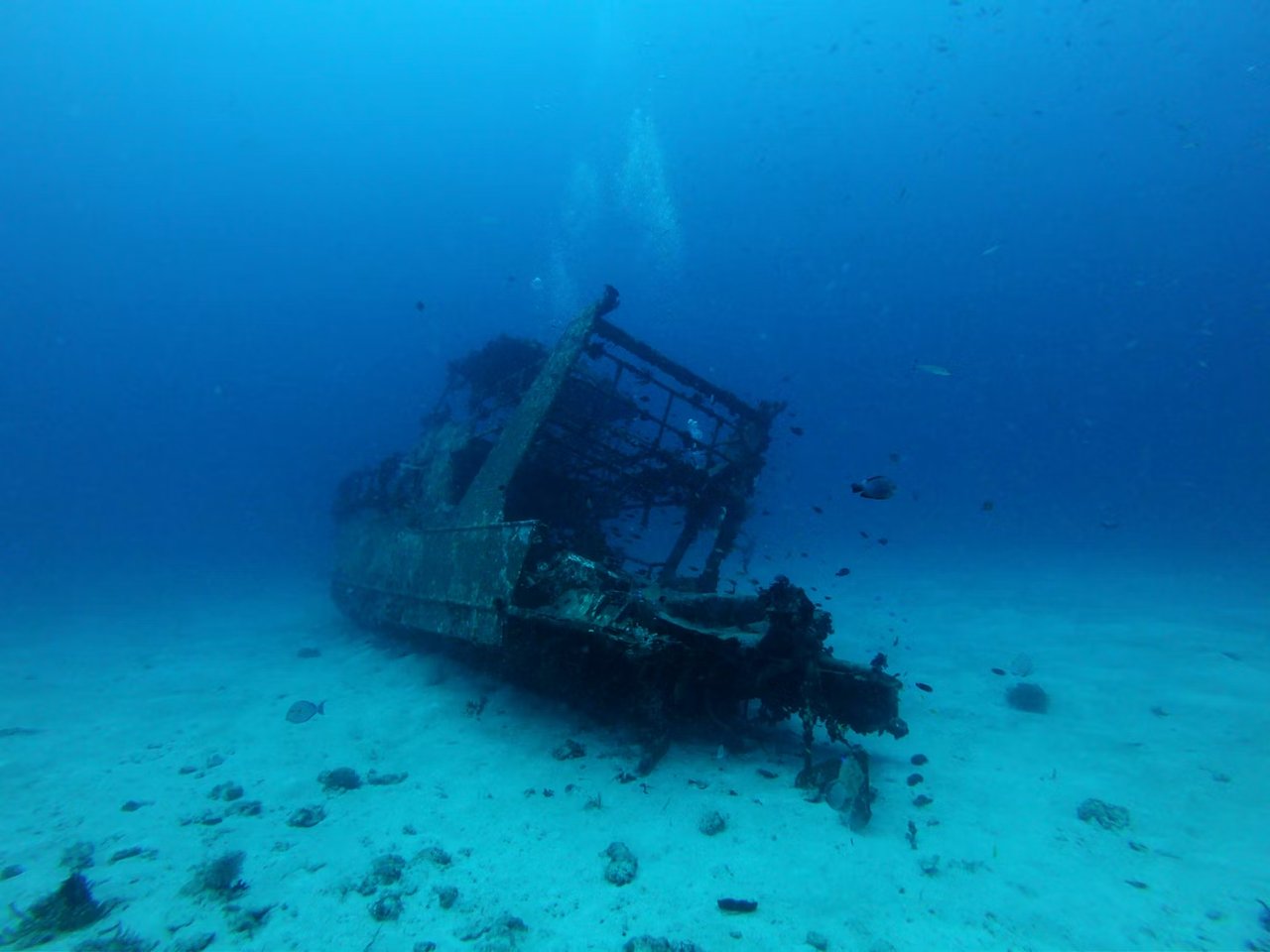
- Background and location: The Hyde was a WWII-era ocean-going hopper dredge equipped with guns during the war. Purposely sunk in 1988 as part of North Carolina's Artificial Reef Program, it rests approximately 26 miles west of Topsail Island at depths of 65 to 85 feet
- What divers find there: The Hyde sits upright and mostly intact, offering penetration opportunities for qualified divers. Sand tiger sharks, barracuda, grouper, and reef fish have established the structure as permanent habitat
- Accessing the wreck: Dive boats from the Topsail Island area and Wilmington run regular trips. Local dive shops are the practical starting point for current conditions, trip schedules, and site-specific requirements
The Hyde is the wreck that local divers most consistently recommend to new residents exploring what the waters off Topsail Island have to offer.
Exploring the Wrecks as a Resident
Living near Surf City gives residents year-round proximity to one of the more unusual recreational and historical resources on the East Coast.
- Snorkeling on the sound side of Topsail Island: Protected sound-side waters offer snorkeling in depths accessible to swimmers during warmer months. The coastal waters host marine life associated with reef and wreck structure, making shallow exploration worthwhile even for those not planning to dive the offshore sites
- Dive charters for certified divers: Several operations run regular charters to the wreck sites in Onslow Bay. For residents with open water certification, these charters provide structured access to the Hyde and the historical WWII wrecks
- Historical context through NOAA: NOAA's Monitor National Marine Sanctuary program maintains documentation on North Carolina's wreck sites, including several in Onslow Bay. The educational resources provide historical background on individual wrecks and the broader WWII campaign
For residents of Surf City and Topsail Island, the offshore shipwrecks are an extension of the community's maritime identity and part of what makes this stretch of coast distinct.
FAQs
Do I Need Advanced Certification to Dive the Wrecks Near Surf City?
It depends on the site. The Hyde at 65 to 85 feet is within range for certified recreational divers, though basic advanced certification is recommended at that depth. Shallower sound-side sites are accessible to open water certified divers and strong snorkelers.
Are the WWII Wrecks in Onslow Bay Protected?
Yes. Federal law protects historically significant shipwrecks, and the WWII-era vessels in North Carolina waters fall under those protections. Artifact removal is prohibited. NOAA's Monitor National Marine Sanctuary actively documents and protects these sites, and divers are expected to follow a no-take approach.
What Is the Best Time of Year to Dive Near Surf City?
Summer offers the most favorable conditions, with warmer water, better visibility, and calmer seas. June through September is the peak window. Spring and fall work well for experienced divers comfortable with cooler water. Winter is possible but primarily suited to cold-water divers.
Contact Better Homes and Gardens Real Estate Treasure
Living near Topsail Island means living alongside one of the most historically layered stretches of coastline on the East Coast. The shipwrecks, the maritime history, and the sound and ocean access are part of what makes this community worth calling home.